

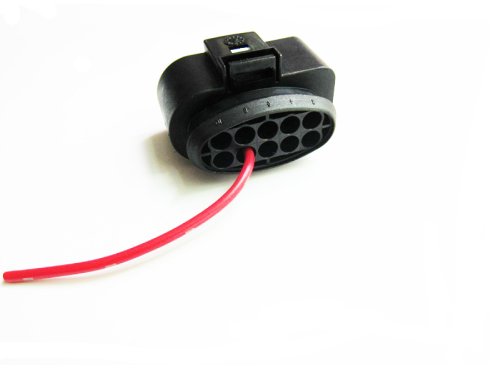
The alternator wiring harness connector is a specialized connector used to link the alternator to the vehicle’s electrical system. It allows the alternator to deliver electrical power to the battery and other electrical components. The connector typically consists of multiple pins or terminals that correspond to different functions such as power output, voltage sensing, and excitation.
2. Key Features of Alternator Wiring Harness Connectors
- Pin Configuration: Alternator wiring harness connectors come in various pin configurations, including two-pin, three-pin, or four-pin designs. Each pin serves a specific function, such as transmitting voltage, ground, or control signals.
- Durability: Made from high-quality materials like plastic and metal, these connectors are designed to withstand the harsh conditions under the hood. They are resistant to heat, vibration, and corrosion, ensuring long-term reliability.
- Secure Connection: The connector features a locking mechanism or clips that ensure a secure connection between the alternator and the wiring harness. This prevents accidental disconnections and ensures a stable electrical connection.
- Compatibility: Alternator wiring harness connectors are designed to be compatible with specific alternator models and vehicle makes. It is essential to choose a connector that matches the alternator and vehicle specifications to ensure proper functionality.
3. Importance of a Reliable Alternator Wiring Harness Connector
- Power Delivery: The primary function of the alternator wiring harness connector is to facilitate the efficient transfer of electrical power from the alternator to the battery and other electrical systems. A faulty or damaged connector can lead to power delivery issues, affecting the vehicle’s overall performance.
- System Stability: A reliable connector ensures that the electrical system remains stable, reducing the risk of voltage drops or fluctuations. This stability is crucial for the proper functioning of electronic components such as lights, infotainment systems, and engine control units.
- Preventing Electrical Failures: A well-maintained wiring harness connector helps prevent electrical failures that can lead to vehicle breakdowns or malfunctions. Proper connections reduce the risk of shorts, overheating, and intermittent power loss.
4. Choosing the Right Alternator Wiring Harness Connector
- Verify Compatibility: Ensure that the connector is compatible with both the alternator model and the vehicle's wiring harness. Consult the vehicle’s manual or a professional mechanic for specific compatibility requirements.
- Quality and Material: Opt for connectors made from high-quality materials that can withstand the engine’s operating conditions. Look for connectors with good insulation properties and corrosion resistance.
- Installation and Maintenance: Proper installation of the connector is crucial for its performance. Follow manufacturer guidelines and ensure that connections are clean and secure. Regular maintenance checks can help identify and address any potential issues before they become serious problems.
- Aftermarket vs. OEM: While aftermarket connectors may offer cost savings, OEM (Original Equipment Manufacturer) connectors are often preferred for their guaranteed compatibility and quality. Consider your needs and budget when choosing between aftermarket and OEM options.
5. Common Issues and Troubleshooting
- Loose Connection: A common issue is a loose or improper connection, which can lead to intermittent power issues. Ensure that the connector is securely fastened and that all pins are properly aligned.
- Corrosion: Exposure to moisture and harsh engine conditions can lead to corrosion. Inspect the connector regularly and clean or replace it if corrosion is detected.
- Wiring Damage: Damaged wires can affect the connector’s performance. Check the wiring for any signs of wear or damage and repair or replace as necessary.